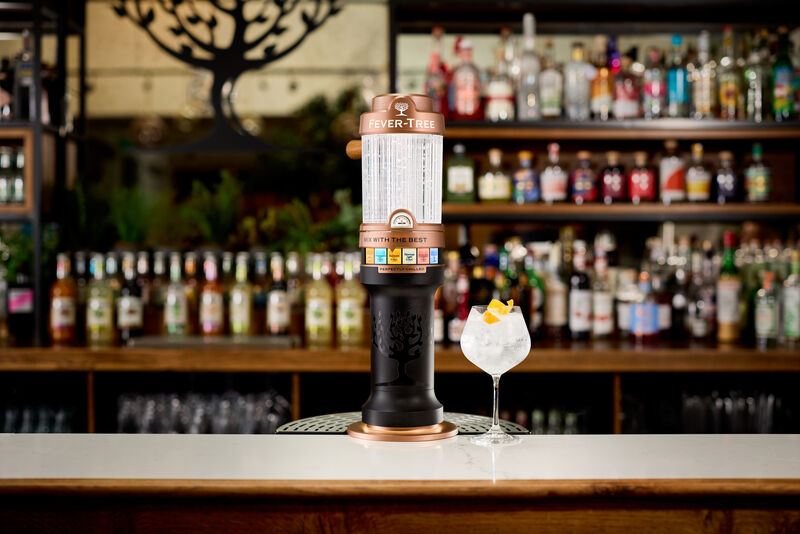
Keep the ritual.
Change the delivery.
Fever-Tree’s bottle serve carried a sense of care, craft and quality. A tap needed to preserve that experience while helping bartenders work quickly in crowded bars.
Before we could decide how it should work, we needed to understand what made the bottle serve feel special. My role was to make that experience clear enough to guide both design and engineering.
Find what makes
a serve feel special.
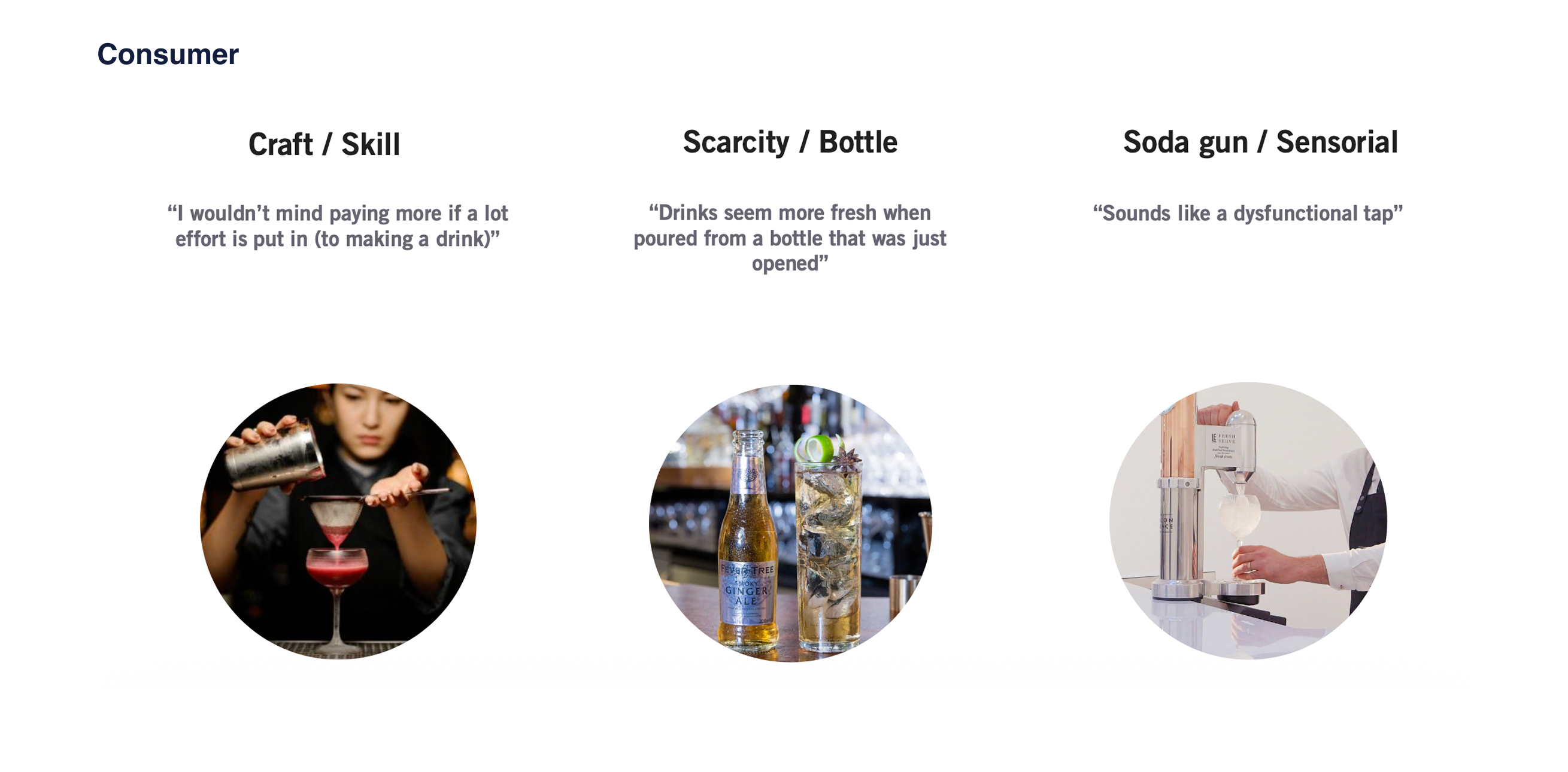
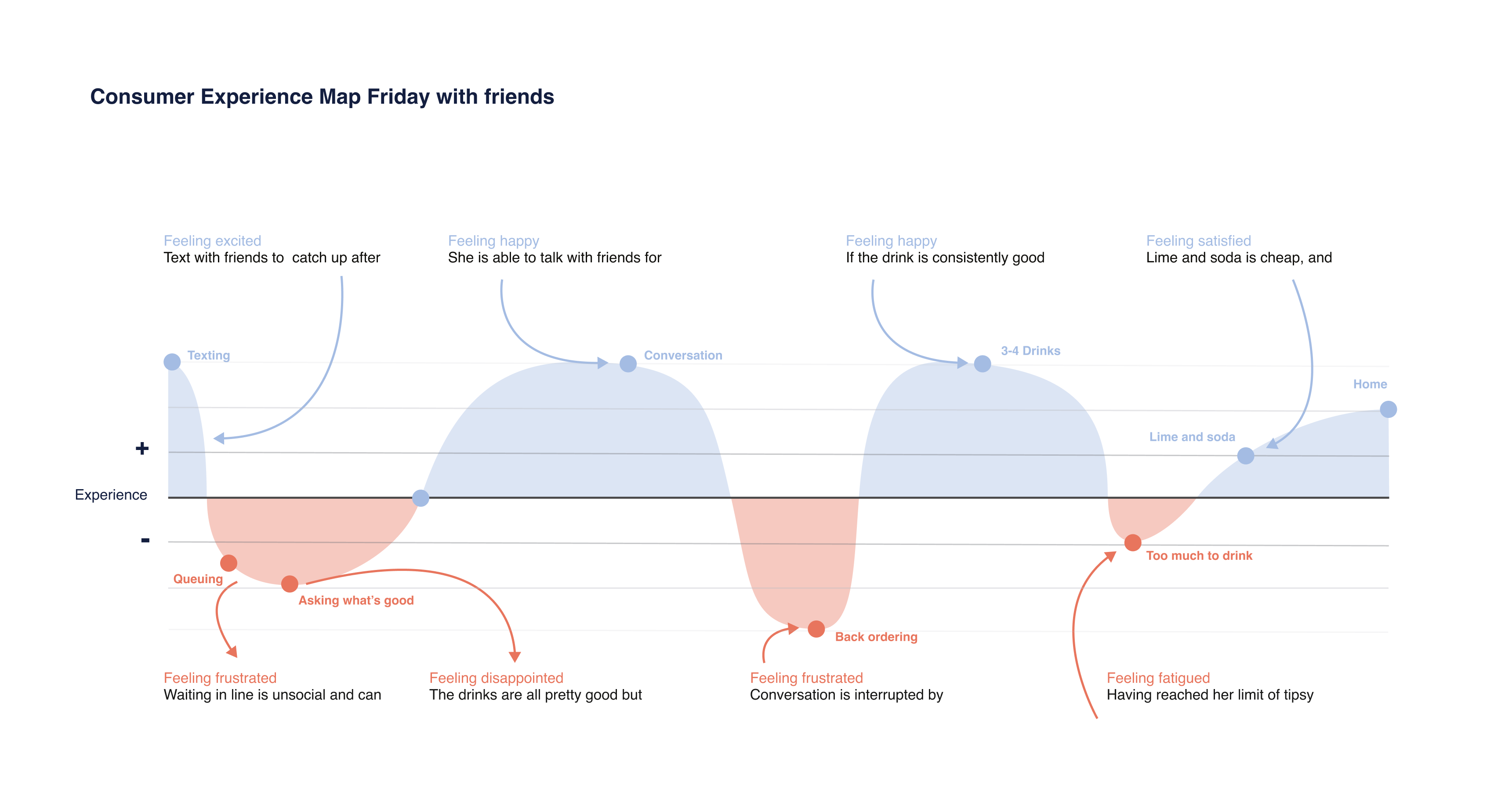
I observed bartenders working across the UK and ran research sessions with Fever-Tree drinkers. Behind the bar, space, restocking and service pressure shaped every decision. For guests, the visible care taken over a drink helped communicate its quality.
I broke the serve down into its sensory and practical details: bubbles, sound, glassware, garnish and the sequence of the pour. Mapping the bartender and consumer journeys helped us see where the tap could ease the work and preserve the ritual.
Let the experience
lead the engineering.
Those findings became a direction for technical exploration. Bubble visibility, flow rate, glass position and handle feel gave the engineers specific qualities to work towards.
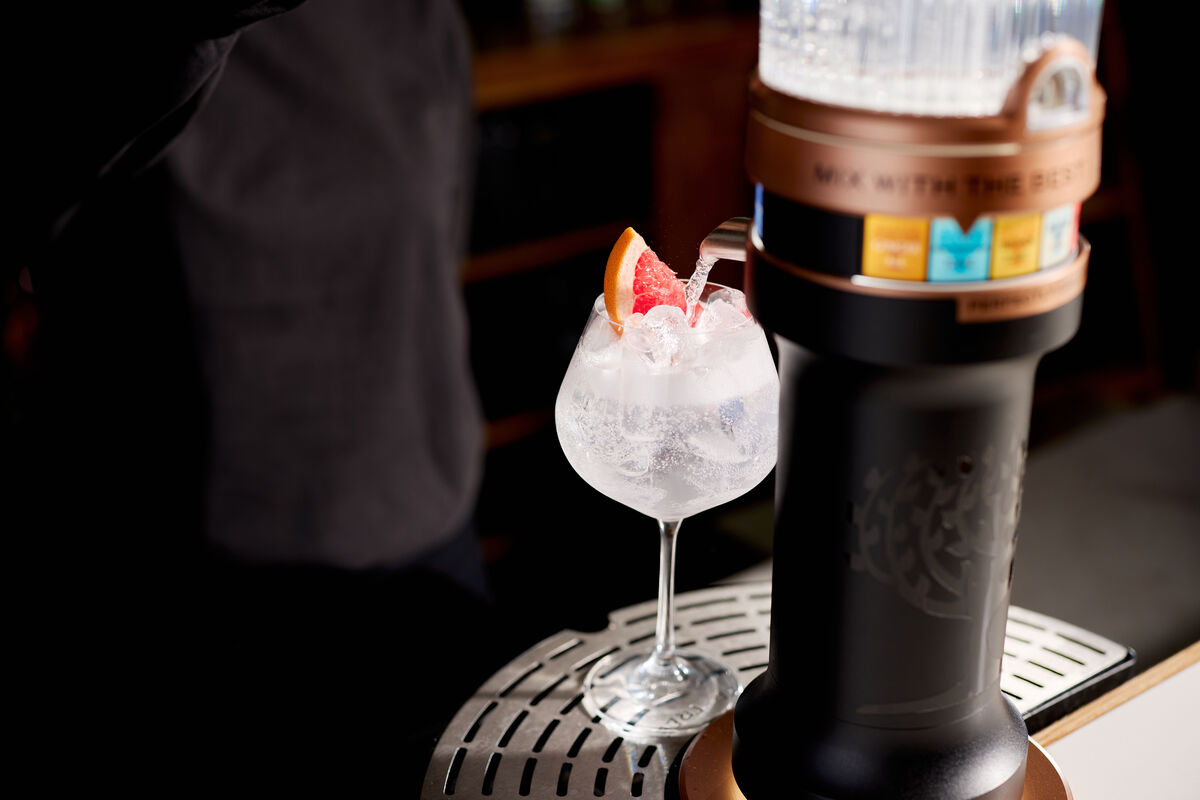
I worked with mechanical engineers and industrial designers to translate that direction into the tap: exploring a visible bubble display and a drip tray that supported the side-serve method. CAD and physical prototypes helped us balance the intended experience with pressure, hygiene, durability and manufacturing constraints.
A shared experience.
A clear direction.
The result was a looks-like, works-like tap prototype designed to embody Fever-Tree’s brand and support a repeatable perfect serve.
I presented the concepts and final design to Fever-Tree’s CMO, CEO and board. Research gave marketing, design and engineering a shared understanding of what we were trying to achieve—and a basis for planning a scalable rollout.
This project shaped how I use design to lead innovation: understanding the experience people value, then helping a technical team explore how to deliver it.