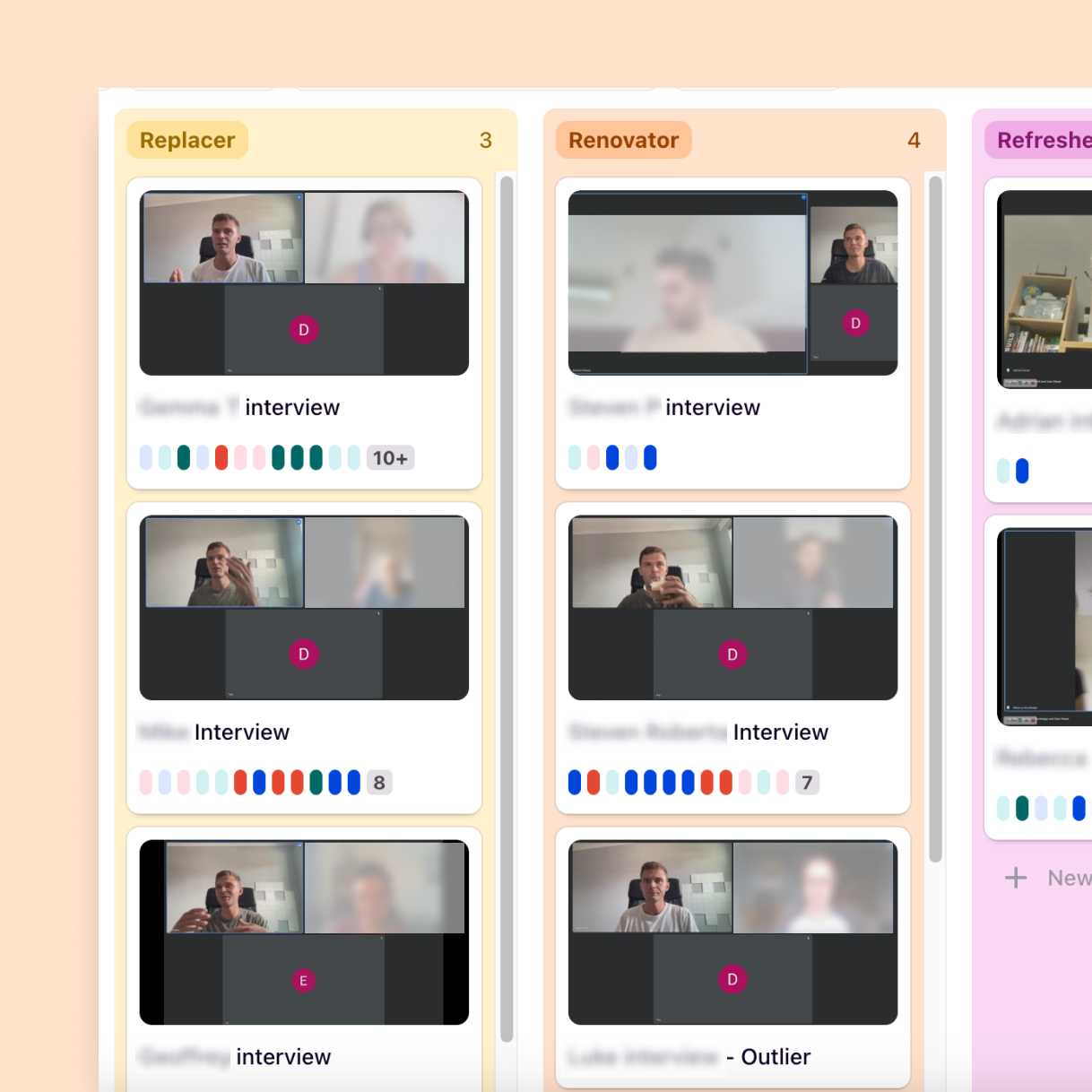
I look upstream and downstream.
I pick apart the brief and look beyond the product to find what’s causing the problem, before we spend time and money building the wrong fix.
I’m Sam, a lead product designer. I used to race bikes for a living. Making things for my own bike was how I got into this. Scroll to follow the story. Select a stop to read more.
I redesigned the finance journey by connecting customer needs with the operational and compliance requirements behind the scenes.
21% increase in completed applications
Read the story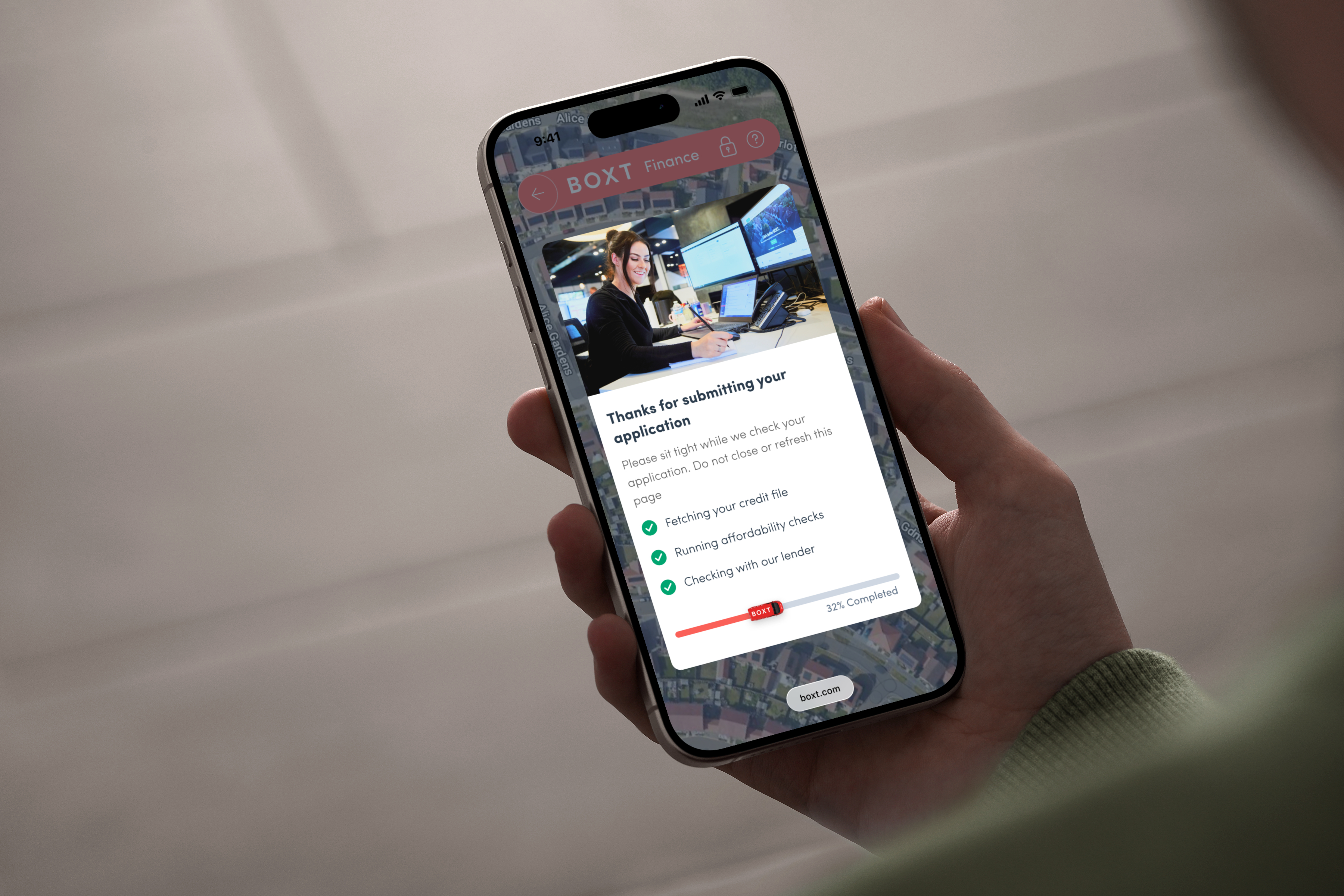
I redesigned the buying journey around the customer’s rooms, connecting sizing, equipment and installation into one clearer system.
Multi-room share grew from 27% to 47%
Read the story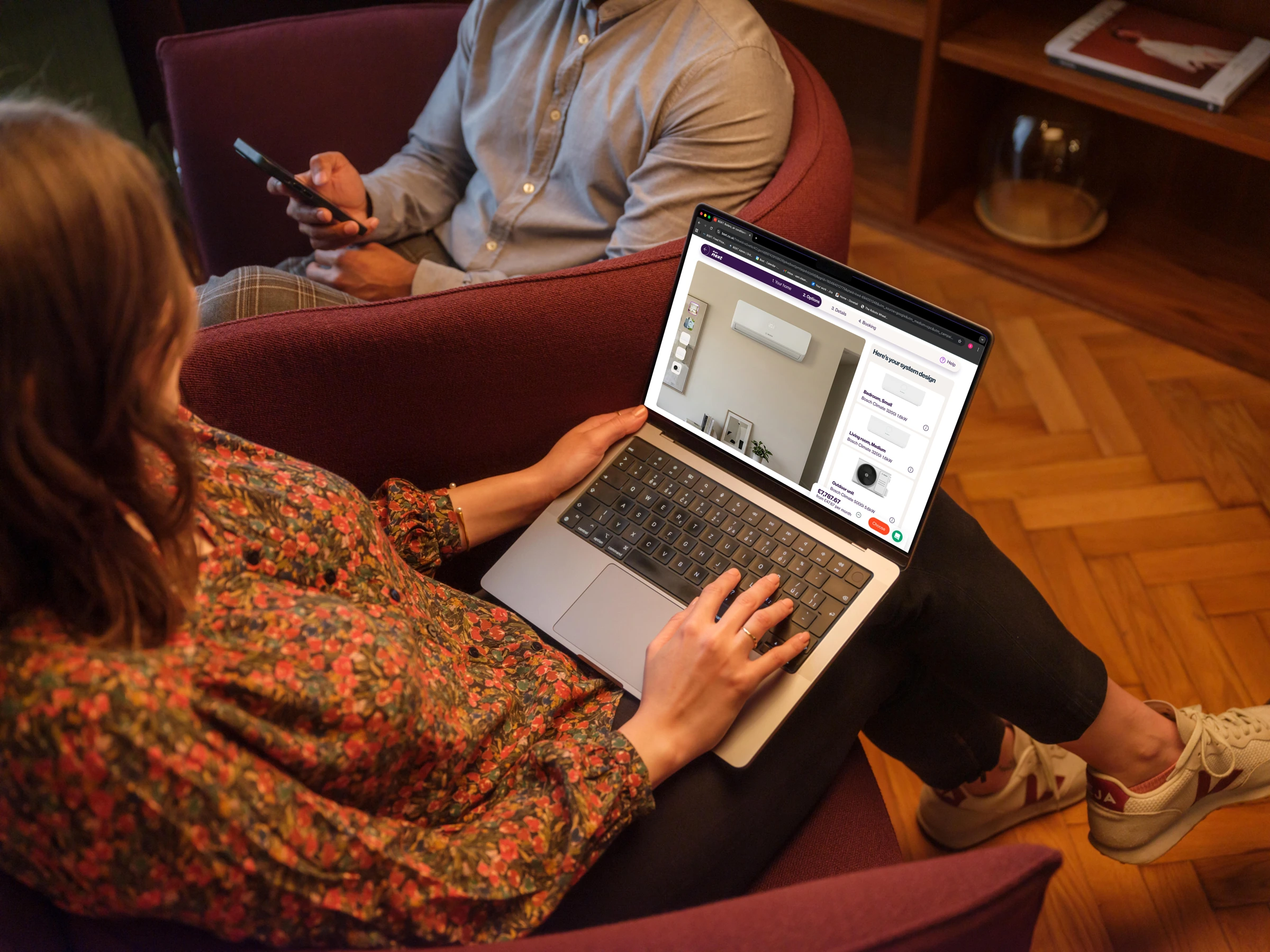
Bringing human needs and AI together to help people with sight loss navigate public transport.
iF Design Award winner · 2019
Read the story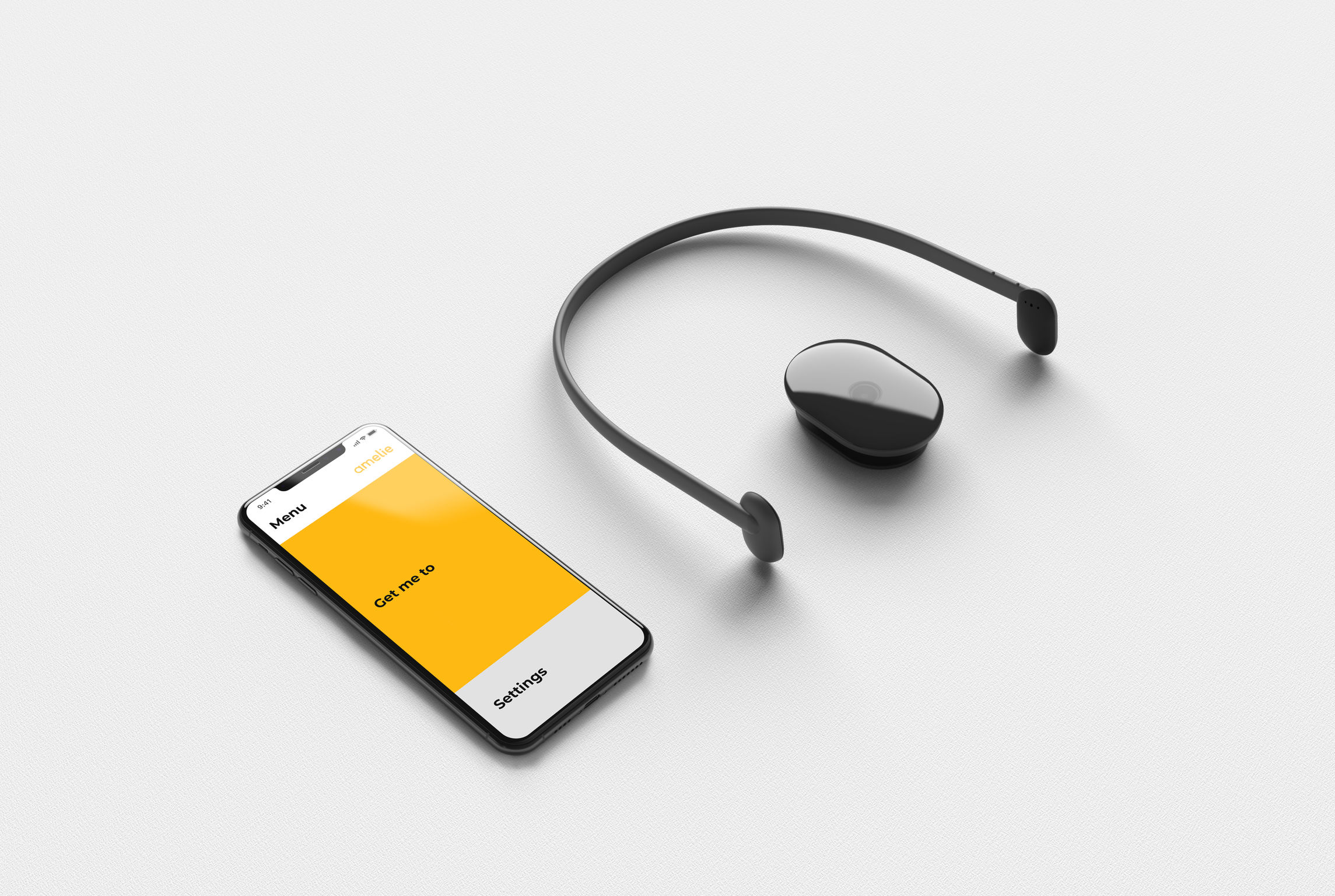
I challenged a feature-led brief and uncovered the review and approval workflow customers were building around Imagen.
2 petabytes of versions created
Read the story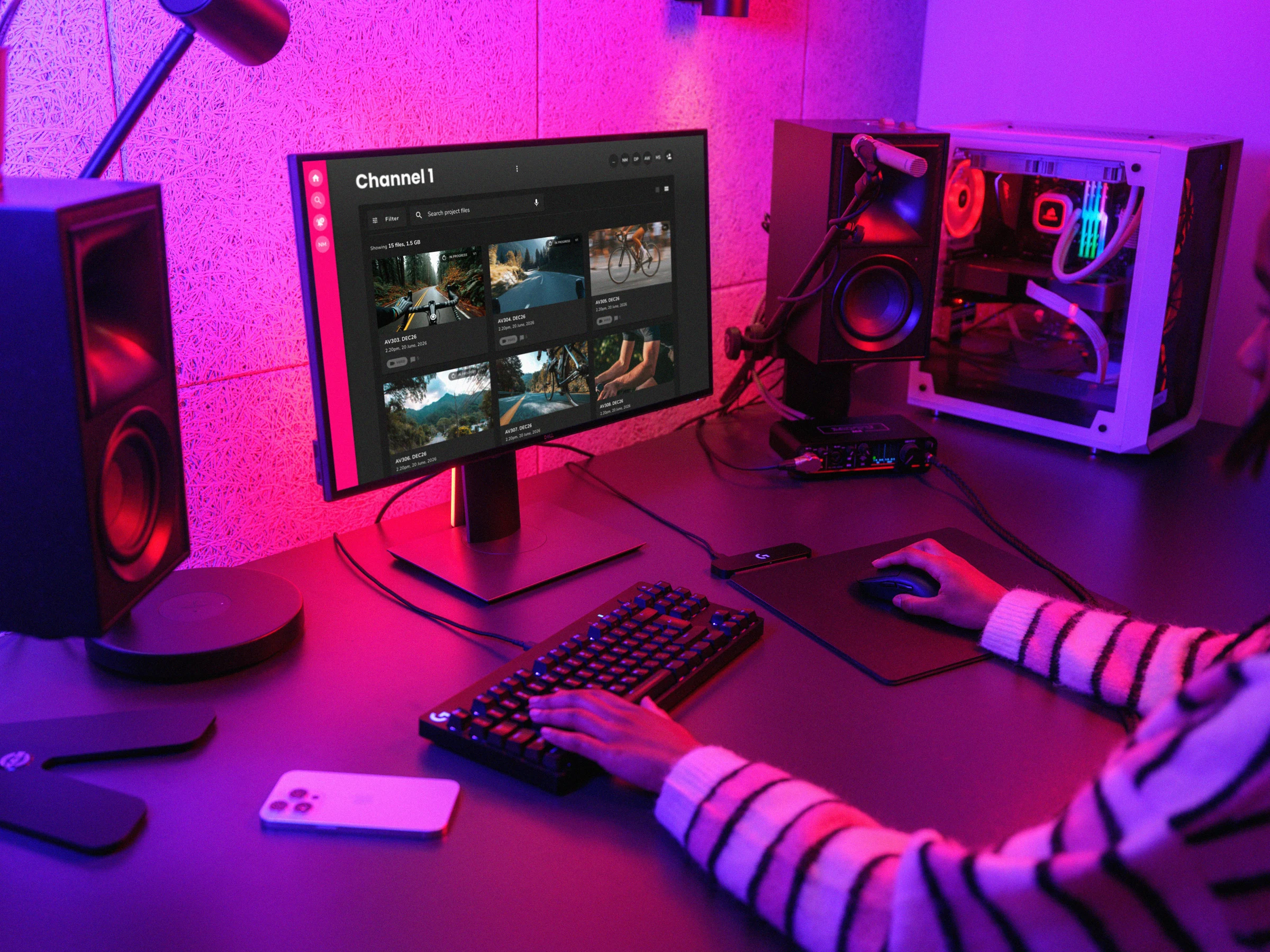
Uncovering what made the bottle serve special—and turning those insights into a direction for technical innovation.
Helped shape and win a £2m project
Read the story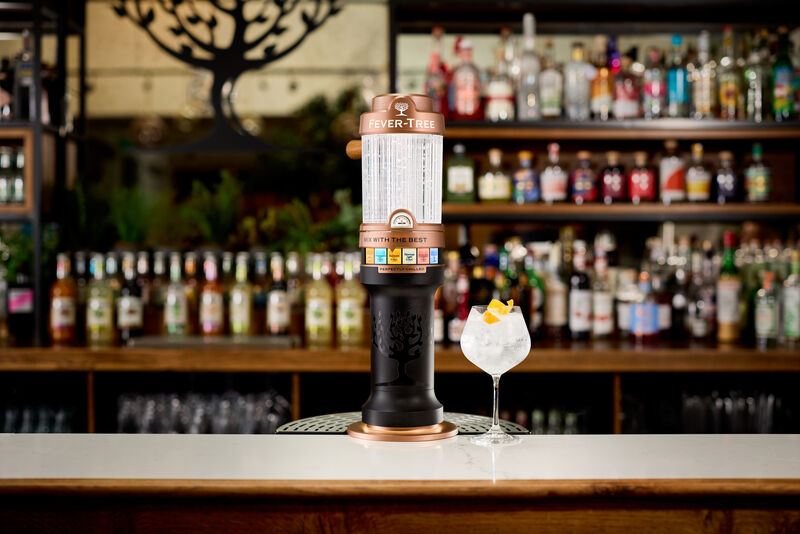
Exploring the rituals behind smoking—and bringing research, physical prototypes and a connected product concept together.
Read the story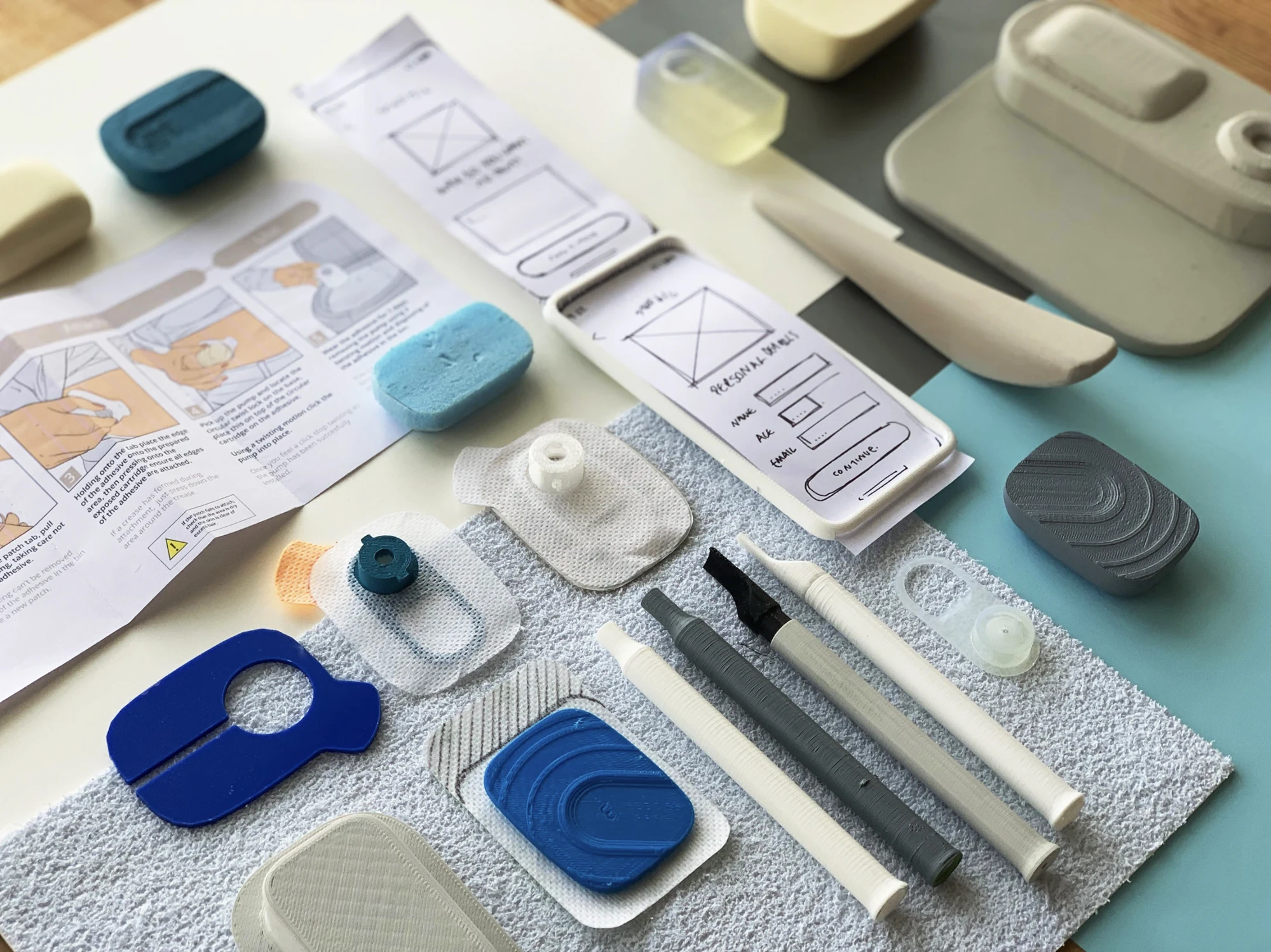
I pick apart the brief and look beyond the product to find what’s causing the problem, before we spend time and money building the wrong fix.
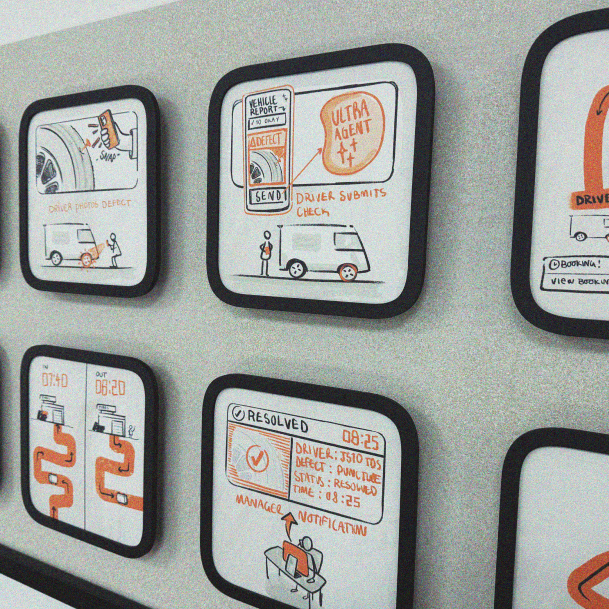
I make research physical and memorable, using things like my 3D-printed mapping tool to help teams talk through the problem and agree what to do next.
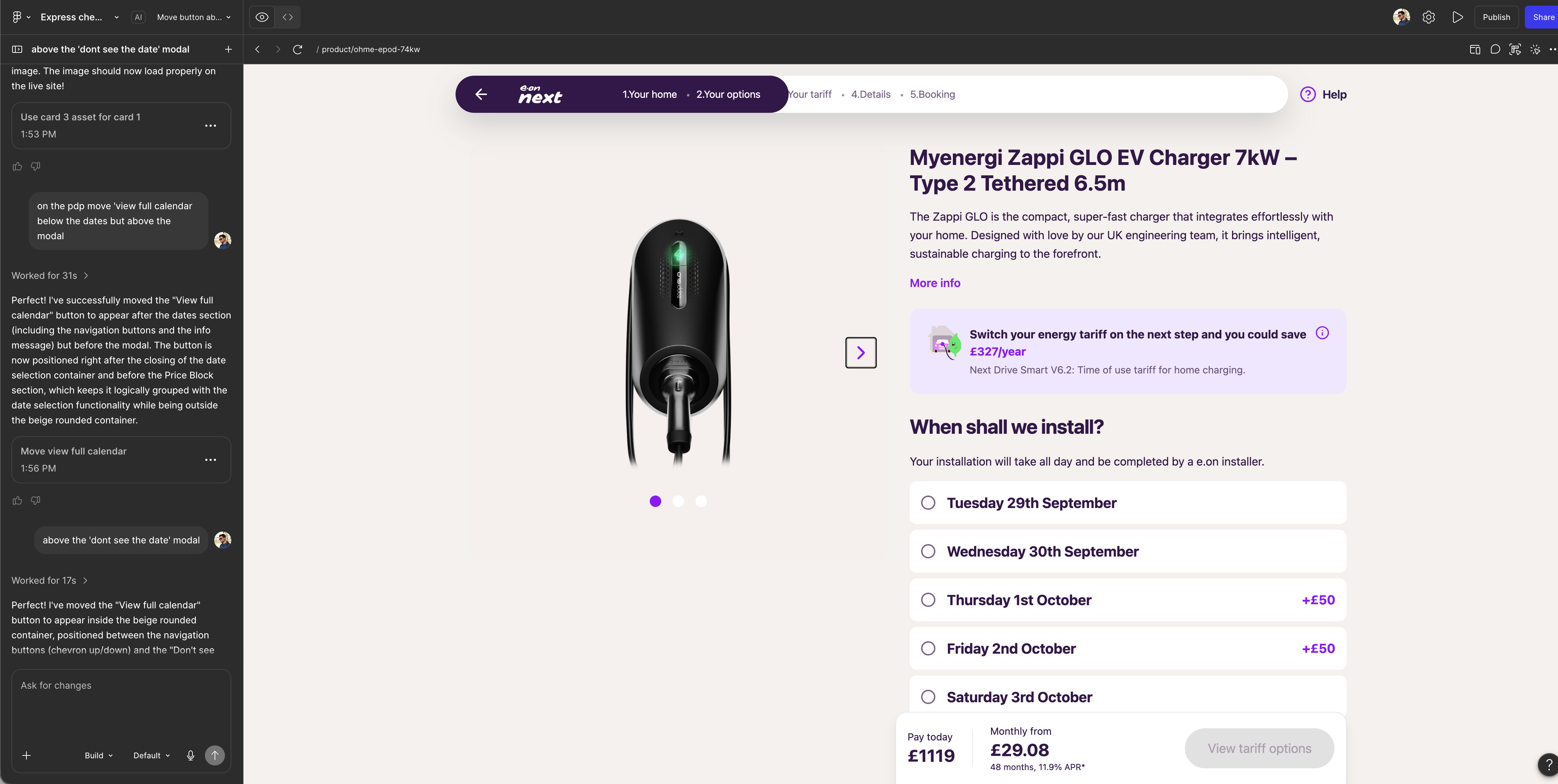
From hand-drawn wireframes to working prototypes, I build things and get them in front of users, stakeholders and engineers to find out what works.
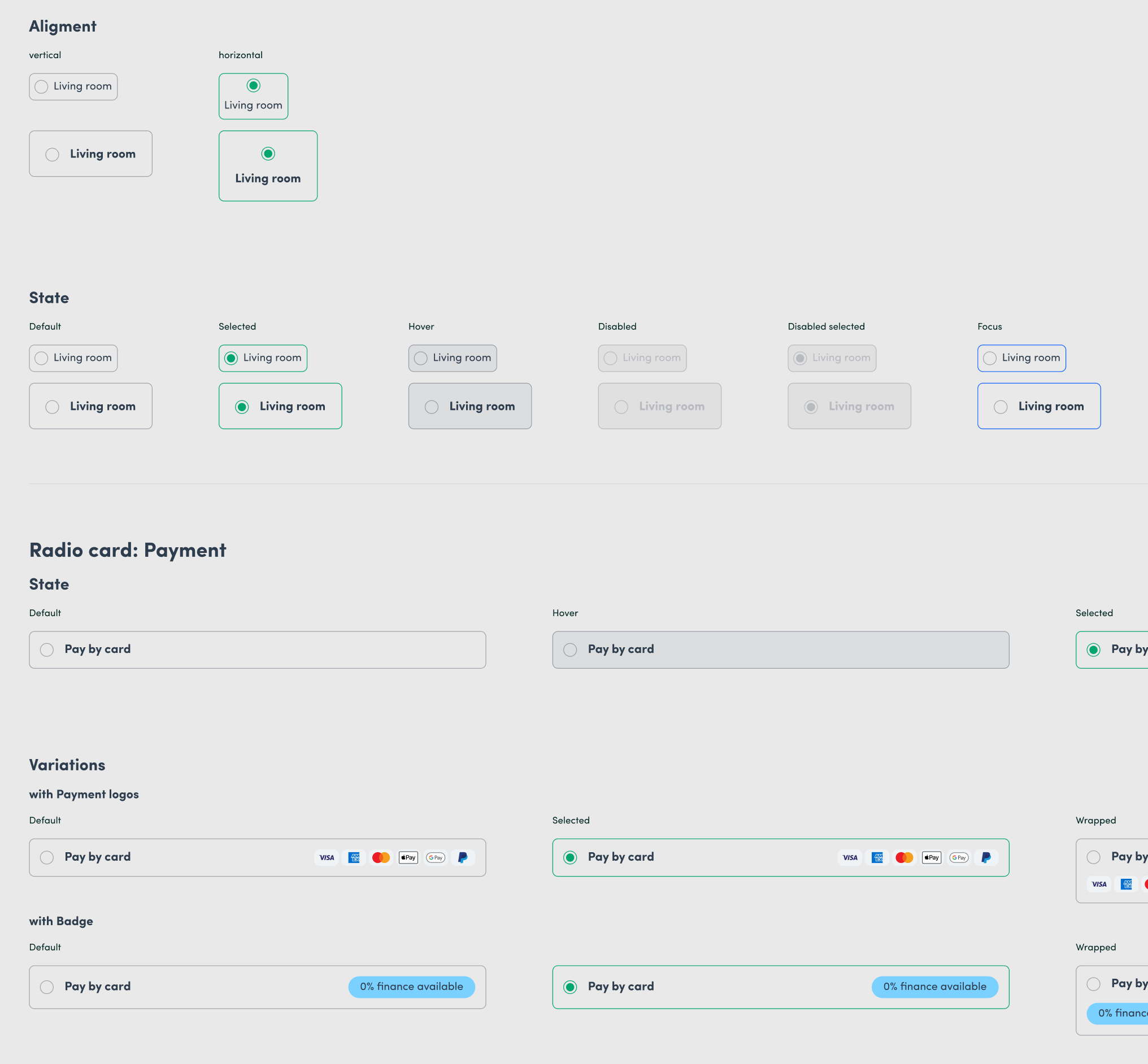
I work fast and loose when exploring, but I’m rigorous about handover, build quality and maintaining design systems so future teams can build on what we’ve made.
“Sam consistently selected research methods that balanced scope, compliance requirements, and business goals, making sure our design decisions were both user-centred and practical.”
“He is a self-starter that proactively leads primary and secondary research projects, keeps stakeholders informed about project progress, and transfers insights and design recommendations effectively.”